

When it comes to hydration, most people focus on one thing: drinking more water.
But if you’re training regularly, especially at high intensity or for longer durations, hydration is only part of the picture. What really determines performance, recovery and how you feel during training is your electrolyte balance.
Electrolytes are essential minerals that carry an electric charge and play a critical role in fluid balance, muscle contraction and nerve function. When you sweat, you don’t just lose water, you lose these minerals too.
Failing to replace them properly can lead to fatigue, cramping, reduced performance and slower recovery.
What Are Electrolytes?
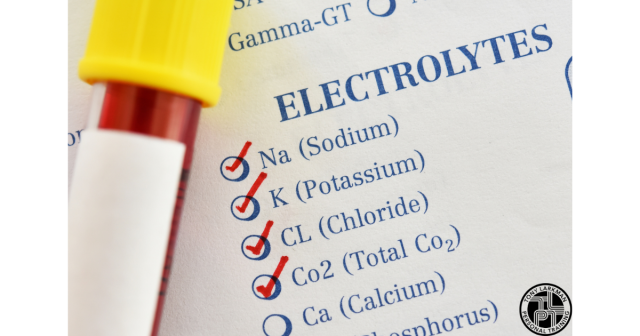
Electrolytes are minerals found in your body fluids that help regulate key physiological processes. The main electrolytes involved in exercise and recovery include:
- Sodium
- Potassium
- Magnesium
- Calcium
Each one plays a specific role in keeping your body functioning optimally during and after training.
Why Electrolytes Are Important After Training

According to the American College of Sports Medicine, the goal after exercise is to replace both fluid and electrolyte losses to restore proper hydration and support performance
During exercise, especially in warm environments or high-intensity sessions, sweat loss can be significant. Sweat contains both water and electrolytes, primarily sodium, but also smaller amounts of potassium, calcium and magnesium.
Research shows that losing as little as 2% of body weight through dehydration can negatively impact performance, cognitive function, and endurance (Sawka et al., 2007).
However, simply replacing fluids without electrolytes can dilute blood sodium levels, potentially leading to hyponatremia, a condition that impairs muscle and nerve function.
This is why effective recovery is not just about rehydrating. It’s about restoring electrolyte balance.
For example, in longer endurance events like a half marathon, electrolyte losses can be substantial. In my experience running the Bath Half Marathon, proper hydration with electrolytes was key to maintaining performance and recovering effectively afterwards.
The Role of Each Key Electrolyte
Sodium: The Primary Electrolyte Lost in Sweat
Sodium is the most important electrolyte when it comes to hydration.
It helps regulate fluid balance by controlling how much water is retained in and around your cells. It also plays a key role in nerve transmission and muscle contraction.
When sodium levels drop:
- Fatigue and reduced performance
- Increased risk of cramps
- Dizziness or lightheadedness
Replacing sodium after training helps your body retain the fluids you consume, making rehydration more effective.
Potassium: Supporting Muscle and Heart Function
Potassium works closely with sodium to maintain fluid balance and is essential for proper muscle contraction.
It also contributes to:
- Heart rhythm regulation
- Prevention of muscle weakness
- Cellular recovery processes
Magnesium: Recovery, Relaxation, and Muscle Function

Magnesium is involved in over 300 enzymatic reactions, particularly those related to energy production and muscle function.
Key roles include:
- Muscle relaxation post-exercise
- Reducing cramp risk
- Supporting sleep and recovery
Calcium: More Than Just Bone Health

Calcium plays a critical role in:
- Muscle contraction
- Nerve signalling
- Coordination and strength output
It’s essential not just for long-term health, but also for immediate performance.
How Much Electrolytes Do You Need After Exercise?
Electrolyte needs vary depending on training intensity, duration and individual sweat rate.
General evidence-based guidelines suggest:
- Sodium: ~300–600 mg per hour of exercise (higher for heavy sweaters)
- Fluid replacement: ~1.25–1.5 litres per kg of body weight lost during exercise (Shirreffs & Maughan, 2000)
For shorter sessions (<60 minutes), normal meals and hydration are usually sufficient.
For longer or more intense sessions:
- Add electrolytes during or after training
- Prioritise sodium replacement
- Combine fluids with whole foods
Electrolyte Comparison: Functions, Sources, and Benefits
| Electrolyte | Key Function | Why It Matters for Training | Common Food Sources |
|---|---|---|---|
| Sodium | Regulates fluid balance, nerve signalling | Maintains hydration, prevents cramps, supports endurance performance | Salt, soups |
| Potassium | Muscle contraction, heart function | Reduces fatigue, supports recovery | Bananas, potatoes, spinach |
| Magnesium | Muscle relaxation, energy production | Reduces cramps, improves recovery and sleep | Nuts, seeds, whole grains |
| Calcium | Muscle contraction, bone health | Supports strength and coordination | Dairy, leafy greens |
Best Electrolyte Drinks for Training (UK Guide)
When choosing an electrolyte drink, the key factor is sodium content as this is the primary mineral lost through sweat.
What to Look For
- 300–1000 mg sodium per serving
- Low sugar (unless needed for endurance)
- Inclusion of potassium and magnesium
- Minimal additives
Many standard sports drinks are high in sugar but relatively low in sodium, making them less effective for proper rehydration.
LMNT: A High-Sodium Option
One product I’ve personally started using is LMNT.
- ~1000 mg sodium per serving
- Includes potassium and magnesium
- No sugar
This makes it particularly effective for longer sessions, high sweat rates and reducing cramping risk.
Do You Actually Need Electrolyte Drinks?
Not always.
- Short sessions → water is usually enough
- Longer or intense sessions → electrolytes become more important
Whole foods can meet most needs, but drinks offer convenience and faster replenishment.
The American College of Sports Medicine notes that electrolyte-containing drinks can be beneficial during longer or more intense exercise, particularly when sweat losses are high.
Common Hydration Mistakes (and How to Fix Them)
Only Drinking Water
Dilutes sodium and slows recovery
→ Add electrolytes post-training
Ignoring Sodium
Most important electrolyte lost in sweat
→ Prioritise sodium intake
Overusing Sugary Sports Drinks
Adds calories without optimal electrolyte balance
→ Choose higher sodium, lower sugar options
Not Matching Intake to Training
Hydration needs change with intensity
→ Adjust accordingly
Waiting Until You’re Dehydrated
Thirst is a late signal
→ Stay proactive
Signs You May Be Low in Electrolytes

- Muscle cramps
- Fatigue
- Headaches or dizziness
- Reduced performance
- Poor recovery
FAQ: Electrolytes and Training
Do I need electrolytes after every workout?
No. For shorter sessions, water and a balanced diet are enough. Electrolytes become important during longer or high-intensity training.
What are the most important electrolytes after exercise?
Sodium is the primary one to replace. Potassium, magnesium and calcium also support recovery and muscle function.
Can I get enough electrolytes from food?
Yes, most people can. However, frequent or intense training may increase your needs.
How do I know if I need more electrolytes?
Look for cramping, fatigue, dizziness or poor recovery.
Are sports drinks necessary?
Only for longer or intense sessions. For most people, whole foods and basic electrolyte solutions are sufficient.
Practical Takeaway
Hydration isn’t just about water—it’s about balance.
If you’re training hard but feeling flat, cramping or struggling to recover, your electrolyte intake could be the missing link.
Dial this in, and you’ll not only feel better—you’ll perform better too.
If you want help optimising your training and recovery, view my coaching services
References
- Sawka, M. N., et al. (2007). ACSM Position Stand: Exercise and Fluid Replacement.
- Shirreffs, S. M., & Maughan, R. J. (2000). Rehydration after exercise.
- Casa, D. J., et al. (2010). Fluid replacement for athletes.
- Institute of Medicine (2005). Dietary Reference Intakes.
- Volpe, S. L. (2015). Magnesium in health and performance.