How to Build Muscle After 50: The Science of Reversing Age-Related Muscle Loss: Why Losing Muscle After 50 Isn’t Inevitable
Many people accept muscle loss as an unavoidable part of ageing.
They notice everyday tasks becoming harder. Carrying shopping bags feels heavier. Climbing stairs leaves them breathless. Strength disappears, energy drops and body fat gradually increases.

The truth is that while age-related muscle loss is common, it is not inevitable.
As a Personal Trainer in Bath, one of the most common concerns I hear from clients over 50 is:
“Am I too old to build muscle?”
The answer is a resounding no.
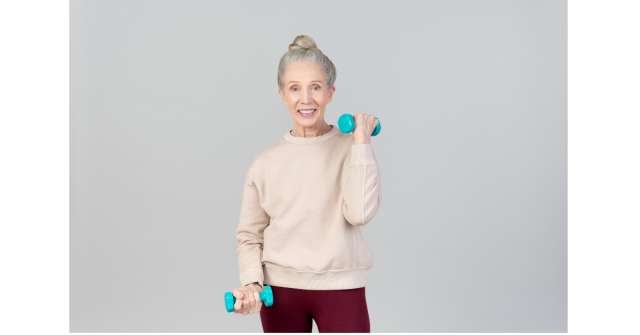
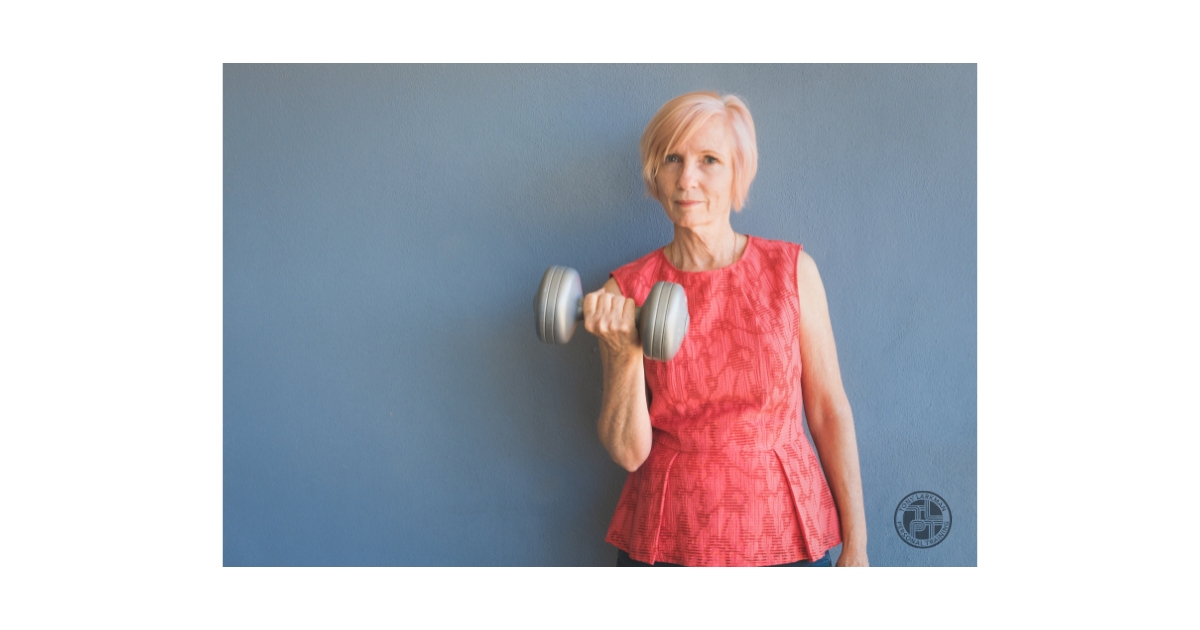
Research consistently shows that adults can build significant amounts of muscle well into their 60s, 70s and beyond when they combine progressive strength training with proper nutrition.
In this article, we’ll explore why muscle loss occurs, what the science says and the practical steps you can take to reverse it.
What Is Sarcopenia?
The medical term for age-related muscle loss is sarcopenia.
Sarcopenia refers to the gradual decline in muscle mass, strength and physical function that occurs as we age.
Research shows that adults begin losing muscle mass at approximately 3–8% per decade from around the age of 30, with the rate accelerating after age 60. Losses in muscle strength may occur even faster.
A landmark review published in the journal Current Opinion in Clinical Nutrition and Metabolic Care described sarcopenia as one of the major causes of functional decline and loss of independence in older adults.
Common Signs of Sarcopenia
- Reduced strength
- Difficulty lifting objects
- Slower walking speed
- Poor balance
- Increased body fat
- Reduced energy levels
- Greater risk of falls and injury
If left unchecked, sarcopenia can significantly affect quality of life.
The good news?
It is highly responsive to exercise and nutrition.
Why Do We Lose Muscle As We Age?
Several factors contribute to muscle loss:
1. Reduced Physical Activity
Many adults become less active as they age.
Less movement means fewer signals telling the body to maintain muscle tissue.
2. Anabolic Resistance
Ageing muscles become less responsive to both protein intake and exercise.
Scientists refer to this as “anabolic resistance”, meaning older adults require a stronger stimulus from both training and nutrition to maximise muscle protein synthesis.
3. Lower Protein Intake
Many older adults simply do not consume enough high-quality protein.
This makes it harder to maintain and repair muscle tissue.
4. Hormonal Changes
Natural declines in testosterone, growth hormone and other anabolic hormones can influence muscle maintenance.
5. Poor Sleep and Recovery
Recovery becomes increasingly important as we age.
Chronic stress and poor sleep can accelerate muscle loss and impair recovery.

The Most Effective Way to Build Muscle After 50
If there is one intervention consistently supported by research, it is resistance training.
A large systematic review found that resistance training significantly improves muscle strength, muscle mass and physical function in older adults with age-related muscle loss.
In simple terms:
Your muscles respond to challenge regardless of your age.
When you progressively overload muscles through strength training, the body adapts by becoming stronger and more resilient.
The Best Strength Training Exercises for Over 50s
Focus on large compound movements:
- Squats
- Deadlifts
- Rows
- Chest presses
- Step-ups
- Lunges
- Overhead presses
- Resistance band exercises
You don’t need complicated workouts. You need consistency.
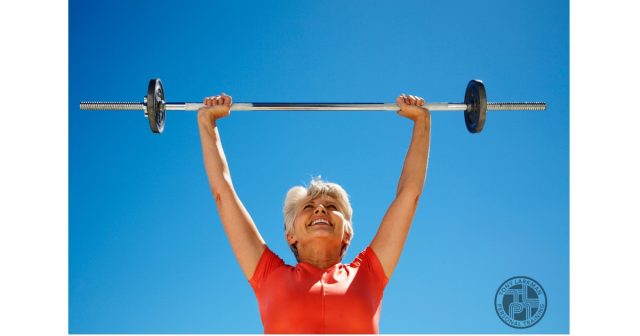
For most adults, 2–4 strength training sessions per week is enough to stimulate meaningful improvements.
Protein: The Missing Piece for Many Adults Over 50
Training provides the stimulus.
Protein provides the building blocks.
Current evidence suggests older adults may benefit from protein intakes of approximately 1.0–1.2 grams per kilogram of body weight daily, with some active individuals requiring more.
For example:
- 70kg adult = 70–84g protein daily
- 80kg adult = 80–96g protein daily
- 90kg adult = 90–108g protein daily
Excellent protein sources include:
- Chicken
- Turkey
- Fish
- Eggs
- Greek yoghurt
- Cottage cheese
- Lean beef
- Tofu
- Lentils
- Whey protein
Interestingly, research suggests that protein supplements alone are unlikely to produce substantial increases in muscle mass without an appropriate training stimulus. While protein provides the building blocks for muscle repair and growth, resistance training provides the signal that tells the body to build new muscle tissue. Studies consistently show that the greatest improvements in muscle mass and strength occur when adequate protein intake is combined with a structured strength training programme.
A 2022 systematic review found that protein supplementation only improved muscle strength when combined with resistance training. The researchers concluded that “concurrent use of resistance training is essential” for protein supplementation to increase muscle strength.
Tagawa et al., Sports Medicine – Open (2022).
The Importance of Balance and Mobility
Muscle strength is only part of the equation.
Balance and mobility become increasingly important after 50.
Recent evidence suggests combining resistance training with balance-focused exercise can improve walking speed, physical function and overall independence in older adults.
Simple additions such as:
- Single-leg stands
- Farmer carries
- Step-ups
- Walking
- Mobility drills
can significantly improve long-term movement quality.
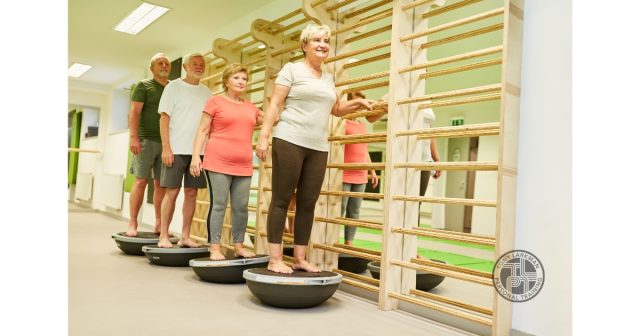
A 2021 review published in Age and Ageing found that exercise programmes incorporating balance and functional training significantly reduced fall rates in older adults.
Source: Sherrington C, Fairhall N, Wallbank G, et al. Exercise for preventing falls in older people living in the community.Cochrane Database of Systematic Reviews (2019).
Can You Really Build Muscle After 60 or 70?
Absolutely.
Research repeatedly demonstrates that older adults can increase strength and improve muscle function through structured resistance training programmes.
One of my favourite quotes from the scientific literature is:
“Resistance training can help older people gain muscle strength.”
That’s not marketing hype. That’s evidence.
I’ve personally seen clients in their 50s, 60s and 70s become stronger, leaner and more confident than they were a decade earlier.
Five Steps to Start Building Muscle After 50 Today
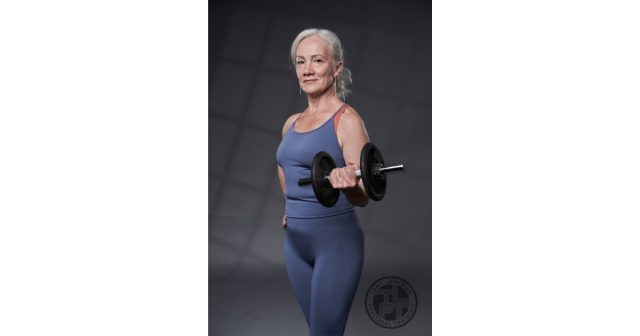
1. Strength Train Two to Four Times Per Week
Prioritise resistance training.
2. Eat Protein At Every Meal
Aim for high-quality protein sources throughout the day.
3. Walk Daily
Walking supports recovery, cardiovascular health and calorie expenditure.
4. Prioritise Sleep
Recovery drives adaptation.
5. Work With a Qualified Personal Trainer
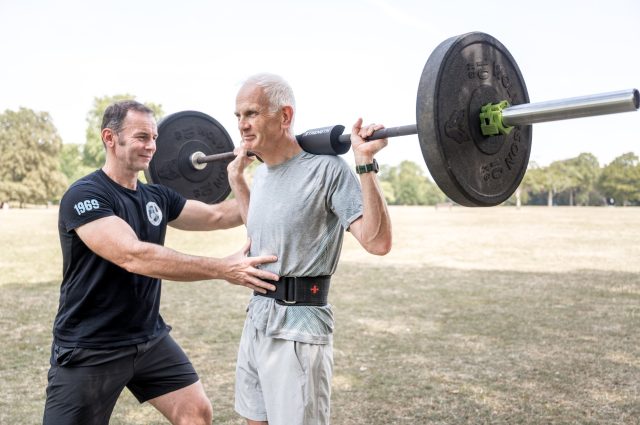
A structured programme tailored to your needs can dramatically accelerate results while reducing injury risk.
Final Thoughts
Muscle loss after 50 is common, but it is not inevitable.
The combination of progressive strength training, adequate protein intake, quality recovery and consistent movement can help reverse many of the effects traditionally associated with ageing.
Whether your goal is to stay independent, improve your health, lose body fat or simply feel stronger, the message from the scientific literature is clear:
Your body remains remarkably adaptable throughout life.
It’s never too late to start.
If you’re looking for expert guidance on strength training, healthy ageing and building muscle after 50, get in touch with Tony Larkman Personal Training in Bath and discover what your body is still capable of achieving.