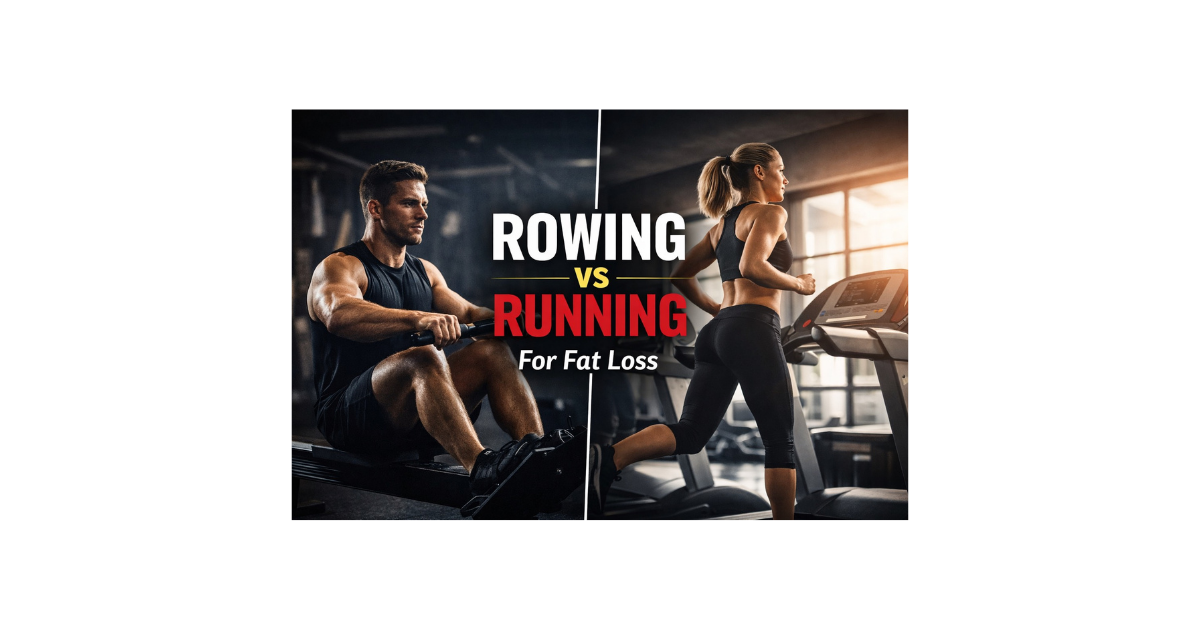
Rowing vs Running for Fat Loss: Which Is Better?
Trying to lose fat but unsure whether to row or run?
Both rowing and running can support fat loss, but they’re not equally effective for everyone.
👉 The best option depends on:
- Your goals
- Injury history
- Time availability
- Training experience
Let’s break it down.
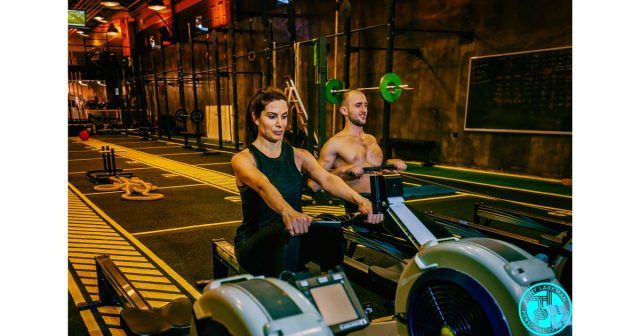
Calorie Burn: Which Burns More?
At a similar effort level, both rowing and running can burn a comparable number of calories.
However:
- Running typically burns more per minute
- Rowing often burns more per session, as it’s easier to sustain for longer
👉 Why?
Rowing is:
- Lower impact
- Less fatiguing on joints
- Easier to maintain for longer durations
Research comparing ergometer and treadmill exercise shows similar energy expenditure when intensity is matched, but rowing distributes the workload across more muscle mass.
Muscle Involvement & Body Composition
Rowing
- Full-body movement (~80–85% muscle mass)
- Includes a resistance component
- Helps maintain lean mass
Running
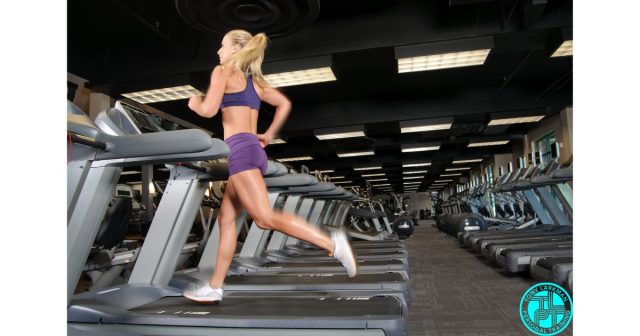
- Primarily lower body
- Limited upper body involvement
- Less resistance-based
👉 Why this matters:
Fat loss isn’t just about weight — it’s about body composition.
Rowing has an advantage because:
- Greater muscle activation increases training stimulus
- Lean mass is better preserved during fat loss
Injury Risk & Sustainability

Running:
- Higher impact forces (2–3× bodyweight per step)
- Increased risk of:
- Shin splints
- Knee pain
- Overuse injuries
Rowing:
- Low impact
- Smooth, controlled movement
- Lower joint stress
👉 Long-term fat loss depends on consistency — and consistency is easier when you’re not dealing with injuries.
Time Efficiency
Running:
- Simple and accessible
- Easy to perform anywhere
Rowing:
- Higher full-body demand
- More efficient stimulus per session
👉 If you’re short on time, rowing often delivers more return per minute.
Which Is Better for Fat Loss?
Here’s the honest answer:
👉 Neither is inherently superior, but rowing is often more effective for most people.
Rowing is better if you:
- Want full-body training
- Have joint issues
- Prefer structured workouts
- Want to combine strength and cardio
Running is better if you:
- Enjoy it (this matters more than people think)
- Need something accessible anywhere
- Tolerate higher impact well
The Best Approach (What Actually Works)
You don’t need to choose one exclusively.
A smart fat loss plan might include:
- Rowing for structured, low-impact conditioning
- Strength training to preserve muscle
- Optional running if tolerated and enjoyable
👉 The goal is a balanced, sustainable system.
Don’t Forget Nutrition

👉 A consistent energy deficit is required.
Key principles:
- Prioritise protein intake
- Maintain strength training
- Avoid extreme calorie restriction
Guidelines from the International Society of Sports Nutrition highlight the importance of protein intake and resistance training for maintaining lean mass during fat loss. This is particularly important during fat loss, where maintaining lean mass directly impacts long-term results.
So… Row or Run?
If your goal is:
- Sustainable fat loss
- Lower injury risk
- Better body composition
👉 Rowing is often the smarter choice.
But the best training plan is one you can:
- Stick to
- Progress
- Recover from
Want Help Structuring Your Training?
If you’re:
- Unsure how to combine rowing, strength training and nutrition
- Plateauing despite consistent effort
- Or dealing with injuries from running
👉 Apply for personalised coaching and a structured training plan here
You may also find helpful:
- The Indoor Rower Training → your rowing article
- The Indoor Rower Podcast → your podcast page
Key Takeaways
- Both rowing and running can support fat loss
- Rowing offers a full-body, lower-impact alternative
- Injury risk and consistency are key factors
- Nutrition and strength training underpin results