
Tech-Enabled Fitness: How Wearables Improve Training Results
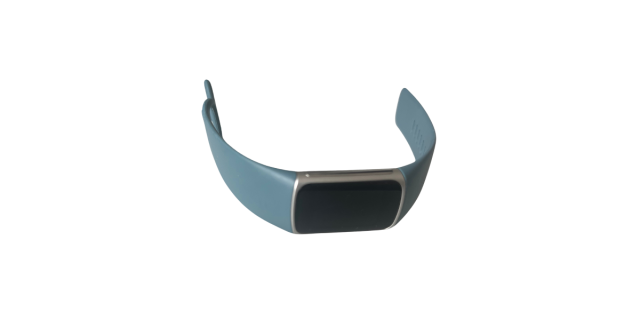
Technology has changed the fitness industry in recent years. Today, heart-rate monitors, GPS watches, sleep trackers and coaching apps all play an important role in how people train, recover and progress.
When used properly, wearables help personal trainers and clients move away from guesswork. Instead of relying on feeling alone, training decisions can be guided by clear and objective data. As a result, adherence improves and injury risk is reduced.
For professional personal trainers, using tech-enabled fitness does not replace human expertise. Instead, it strengthens coaching by adding better insight and feedback.
What Is Tech-Enabled Fitness?
Tech-enabled fitness is the use of wearable devices, training apps, and health data to track activity, recovery and basic health markers in real time.
By providing instant feedback, wearables help guide training intensity, recovery and long-term progress. In practice, the real value lies not in the device itself. Rather, it comes from how the data is understood and used within a structured training plan.
Common examples include:
-
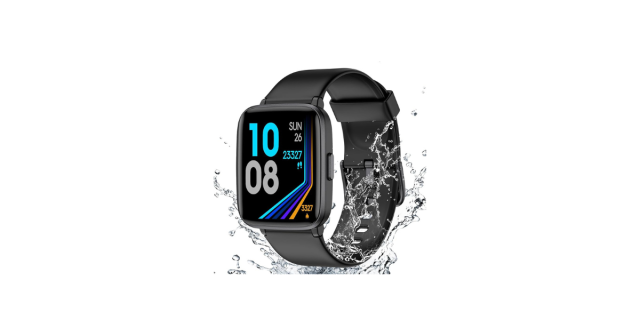
Smartwatches and fitness trackers (heart rate, steps, calories)
-
GPS watches (pace, distance, elevation)
-
Sleep and recovery trackers
-
Training apps linked to wearables
-
Cloud-based coaching platforms
The Science Behind Wearables and Performance
1. Heart Rate Monitoring and Training Load
Heart-rate-based training is one of the most reliable uses of wearable technology. Put simply, monitoring heart rate helps control training intensity and improve cardiovascular fitness. This approach also helps optimise endurance training intensity and cardiovascular performance.

Research published in the Journal of Sports Sciences shows that heart rate tracking improves intensity control (Achten & Jeukendrup, 2003)
Tracking heart rate allows:
-
Clear training zones
-
Better aerobic conditioning
-
Lower risk of overtraining
-
More accurate energy-system focus
For personal trainers, this means training plans can be adjusted with confidence rather than relying on guesswork. Because of this, heart rate data is widely used in both recreational and elite training.
2. Wearables and Adherence to Exercise
Consistency is one of the strongest predictors of results. For this reason, wearables are often useful for improving adherence.
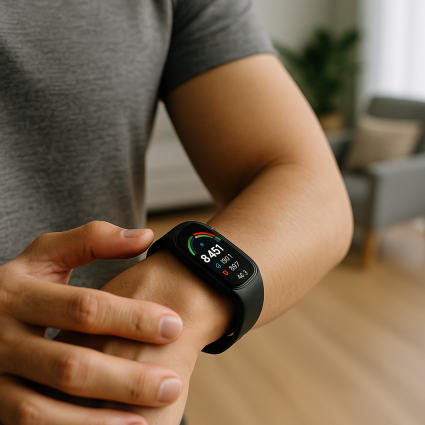
A large review published in JMIR mHealth and uHealth found that fitness trackers increase physical activity levels, particularly daily step count and weekly exercise volume. As a result, many people find it easier to stay consistent when using a tracker.
From a coaching point of view, this data:
-
Encourages accountability
-
Improves engagement
-
Supports habit formation outside sessions
Therefore, wearable fitness technology helps reinforce regular exercise over time.
3. Sleep, Recovery, and Injury Prevention
Recovery is often overlooked, yet it plays a major role in training progress. Poor sleep can reduce physical performance, slow recovery, increase injury risk and affect mental wellbeing.
Modern wearables can track:
-
Sleep duration and efficiency
-
Resting heart rate
-
Heart rate variability (HRV)
When this information is reviewed by a qualified trainer, it can guide:
-
Changes in session intensity
-
Planned deload weeks
-
Recovery-focused training blocks
Data Is Only Powerful When Used Correctly
One common issue with tech-enabled fitness is having too much data and not enough understanding.
Wearables do not replace:
-
Exercise physiology knowledge
-
Movement screening
-
Individualised programme design
Instead, they support better decisions when used alongside professional experience. This is why working with an experienced personal trainer still matters.
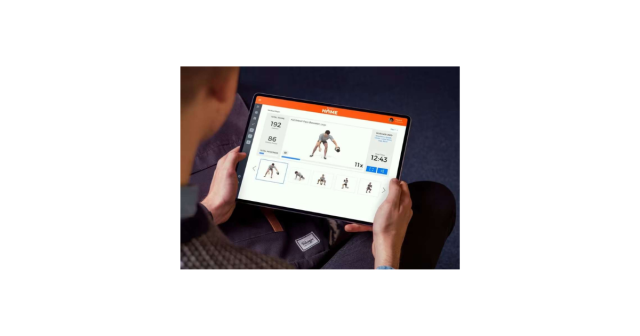
In addition, digital training platforms can improve adherence by guiding workouts and tracking progress. If you want to learn more about this approach, see my article “I’ve Got the Power.”
How Personal Trainers Use Wearables to Get Better Results
Experienced personal trainers use wearable data in practical ways. For example, they may:
-
Adjust weekly volume and intensity
-
Track long-term trends
-
Spot plateaus earlier
-
Personalise training more effectively
-
Improve client results and retention
Together, science, technology and coaching create far better outcomes than any single approach alone.
Choosing the Right Wearable for Your Goals
Not all wearables are designed for the same purpose. Because of this, the best choice depends on your main goal.
For fat loss and general fitness:
-
Heart rate tracking
-
Daily movement data
-
Sleep monitoring
For strength and performance:
-
HRV trends
-
Training load data
-
Recovery metrics
For endurance training:
-
GPS accuracy
-
Pace zones
-
VO₂max estimates
In every case, results improve when wearable data supports a well-designed training plan.
The Future of Tech-Enabled Personal Training
According to the American College of Sports Medicine (ACSM), wearable technology has ranked as the top global fitness trend several times. This shows that it will remain a key part of the industry.
Even so, technology alone does not create results. Skilled coaching is still essential.
The most successful personal trainers will be those who:
-
Understand fitness data
-
Apply exercise science
-
Coach behaviour change
-
Deliver long-term, sustainable results
Final Thoughts
Wearables and data tracking are useful tools when used correctly. However, they work best when combined with experience, education and individual coaching.
If your goal is long-term progress, better performance and fewer injuries, technology should support your training rather than control it.
FAQ Section
What is tech-enabled fitness?
Tech-enabled fitness uses wearable devices and data tracking to monitor training, recovery and health markers in order to improve exercise results.
Do fitness wearables really improve results?
They do. Research shows wearables increase physical activity, improve intensity control and support better consistency when used correctly.
Are fitness trackers accurate?
Most trackers are accurate for trends in heart rate and activity. However, the data should always be reviewed in context.
Do personal trainers use wearable data?
Often but not always. Some personal trainers use wearable data to adjust training load, recovery and long-term planning.
Is wearable technology suitable for beginners?
Yes. Beginners often benefit most when wearable data is paired with clear guidance and coaching.